How to Clean a Wool Rug Without Shrinking It
How to clean a wool rug without shrinking or felting it: correct vacuuming, cool-water spot cleaning, mistakes to avoid, and when to book a professional wash.
Read MoreFree Pickup & Delivery (8' x 10'+, Metro Atlanta) | 15% Off Drop-Off Service
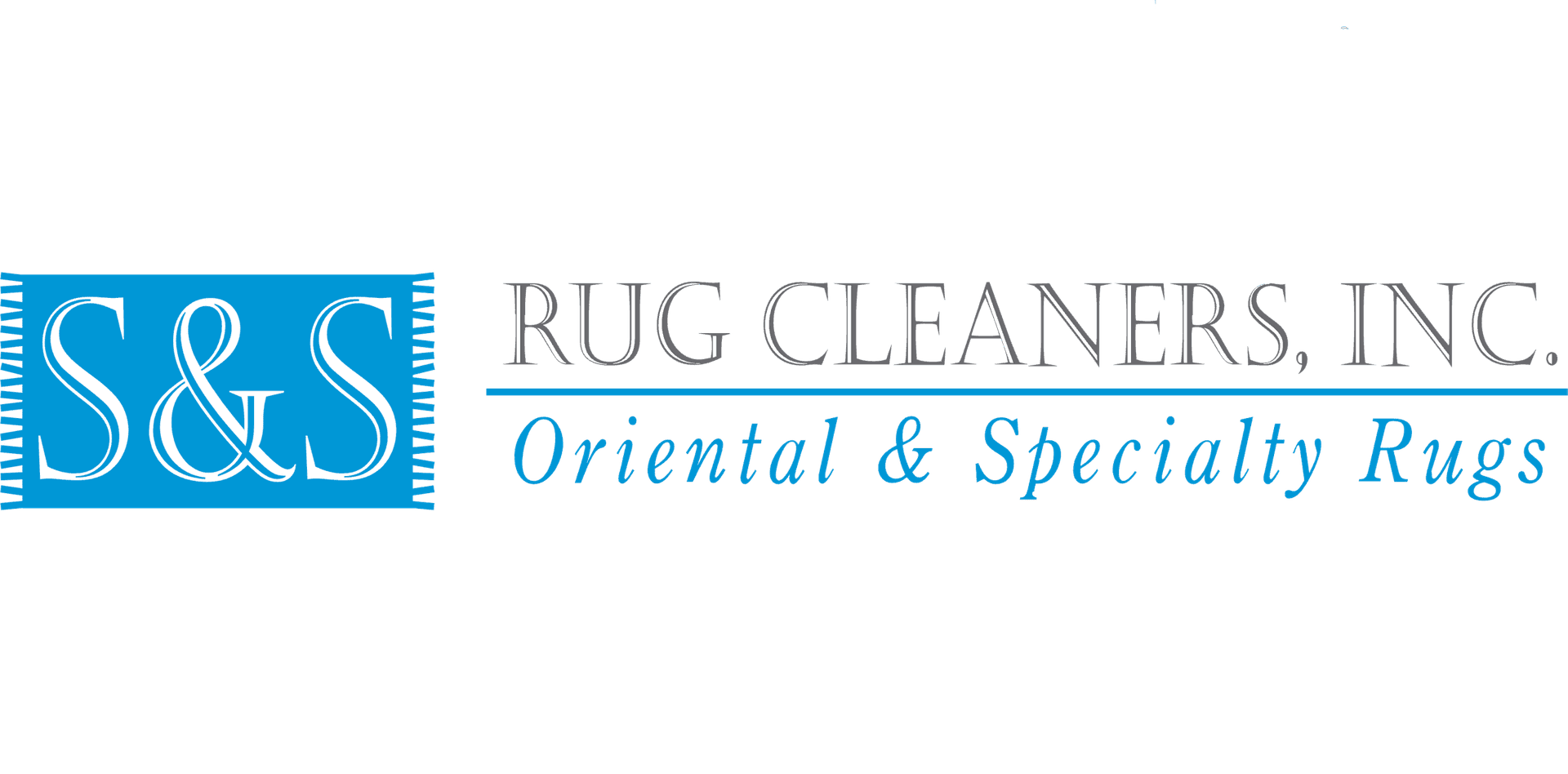
Viscose looks like silk but reacts to water like paper. Here's how to clean it at home, what to never do, and when to hand it to a pro.
Viscose rugs are gorgeous. They have the shimmer of silk at a fraction of the price, which is why they fill so many living rooms and bedrooms. The catch is that viscose is one of the hardest rug fibers to clean. A single spill, treated the wrong way, can leave a brown ring or a patch of crushed, dull pile that never recovers.
The good news: most damage comes from a few common mistakes. Too much water, too much rubbing, and the wrong cleaner cause nearly every problem we see. Avoid those, and a viscose rug can look good for years.
This guide covers how to clean a viscose rug safely at home, how to handle the most common stains, and the signs that it's time for professional viscose rug cleaning instead.
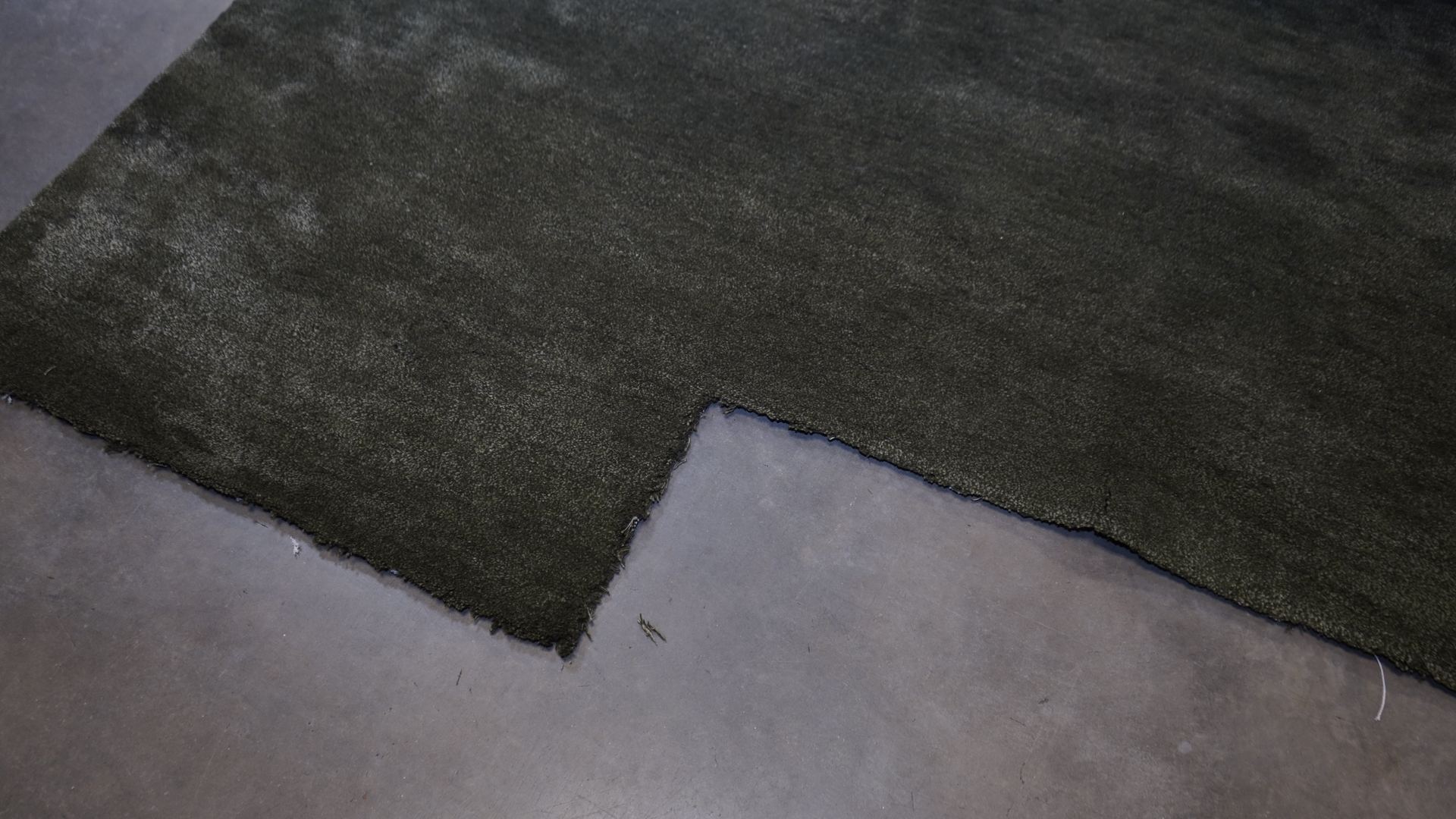
Never shampoo, steam clean, or soak a viscose rug at home. For deep cleaning, large stains, pet urine, or any browning, a specialist rug cleaner is the safer choice — and often the only way to avoid permanent damage.
Viscose is a type of rayon. Makers dissolve wood pulp or bamboo cellulose and spin it into a shiny thread. That's why you'll see it sold as art silk, bamboo silk, or "silk-like." It looks luxurious, but it behaves nothing like wool or real silk. If you're not sure which fiber you have, our guide on how to tell real silk from viscose walks you through a few simple tests.
Rayon fibers lose a large share of their strength when soaked. Wet viscose stretches, breaks, and crushes easily. Scrubbing a damp spot is the fastest way to snap fibers and leave a fuzzy, worn patch.
This is called cellulosic browning. As a wet spot dries slowly, natural compounds in the fiber and backing wick up to the tips and leave a tan or yellow stain. Alkaline cleaners, like many store-bought spot sprays, make it worse.
Viscose has almost no "memory." Once fibers are crushed or twisted, they don't spring back like wool. Foot traffic, furniture, and rubbing all leave dull lanes where the shine used to be.
Viscose soaks up dye beautifully, but many rugs aren't colorfast. Too much moisture can push color from one area into another. If that's already happened, our color run removal service is built for exactly that problem.
Here's how viscose compares with the two fibers it's most often confused with:
| Factor | Viscose | Wool | Real Silk |
|---|---|---|---|
| Water tolerance | Very low | High | Moderate |
| Stain resistance | Poor | Good (natural lanolin) | Fair |
| Pile recovery | Poor — mats easily | Excellent | Fair |
| Browning risk | High | Low | Low |
| Safe for DIY spot cleaning? | Blotting only | Yes, with care | Very limited |
In short, a viscose rug needs a gentler touch than almost anything else on your floor. That's also why a trained eye matters. We check fiber content and dye stability on every rug before any cleaning begins.
Home care for viscose is about maintenance and first aid, not deep cleaning. Follow these steps in order, and stop if you see any color on your cloth.
Turn off the beater bar or use a hard-floor setting. Spinning brushes pull and fray viscose fibers. Vacuum in the direction of the pile, once or twice a week. Skip the fringe, which tangles and tears easily.
For runners and small rugs, a gentle shake removes grit that vacuums miss. Don't beat the rug hard. Grit is abrasive, and removing it regularly slows the dull, worn look in traffic areas.
Grab a clean, dry white towel. Press straight down to lift the liquid, then switch to a dry section and repeat. Work from the outside of the spill toward the center so it doesn't spread. Keep blotting until the towel comes up almost dry.
Mix one part white vinegar with two parts cool distilled water. Dab a little on a hidden corner with a white cloth. Wait ten minutes. If you see color on the cloth, stiffness, or any change in sheen, stop there.
If the test passed, lightly dampen a cloth — don't pour or spray the rug. Dab the stain, then blot with a dry towel right away. The mild acidity of vinegar helps reduce browning. Repeat a few times rather than using more liquid at once.
Speed is everything. Aim a fan at the spot and prop the rug up so air reaches the back. Slow drying is what causes browning. Once it's fully dry, brush the pile gently in one direction with a soft brush to restore the sheen.
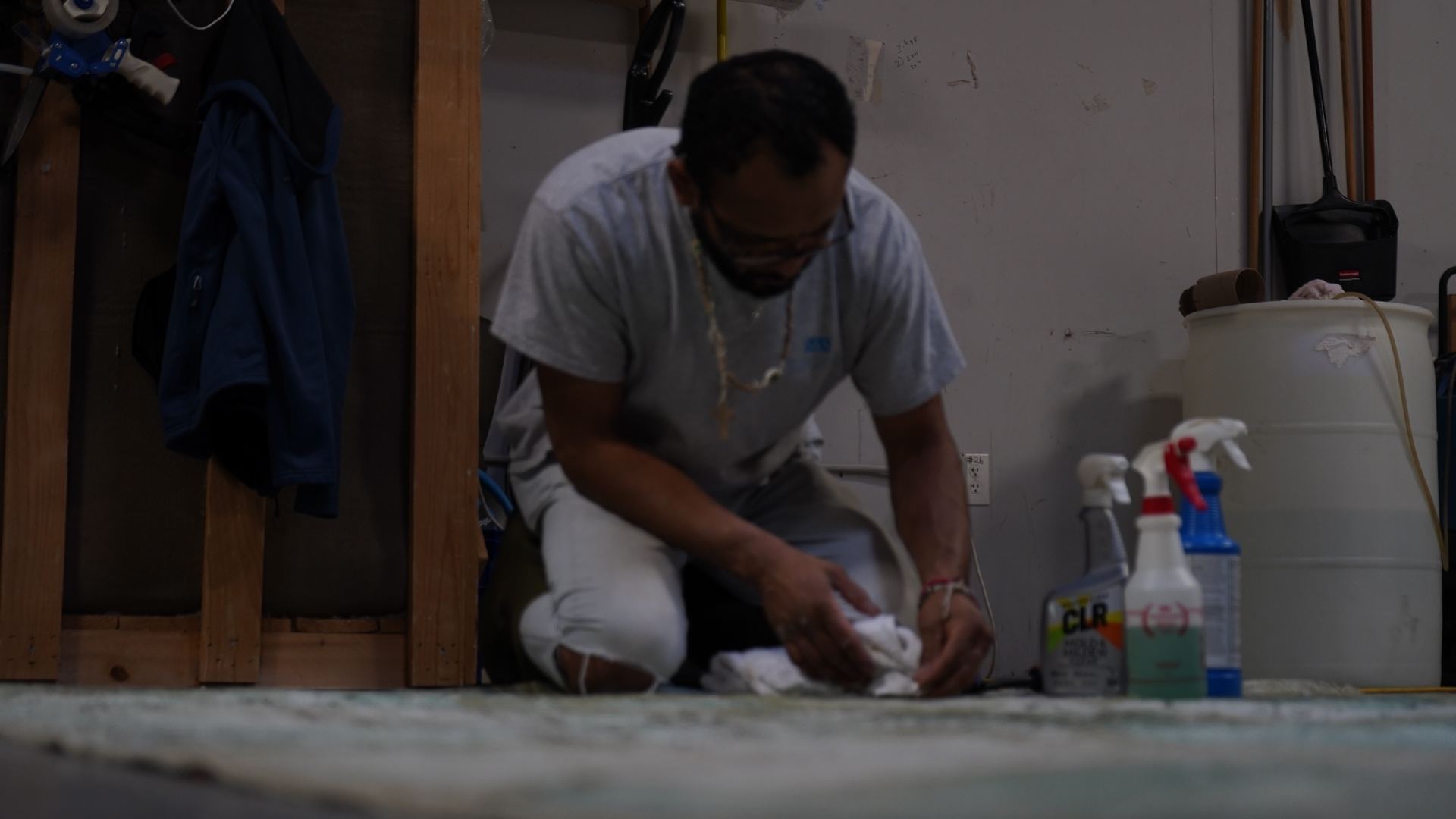
Blotting with a white cloth lifts the spill without spreading it or crushing delicate fibers.
Want a deeper look at drying? Our guide on how to dry a rug after washing it explains why airflow matters so much. And if a spot won't budge after a few gentle passes, stop. More effort at home usually means more damage to fix later.
Every stain starts with blotting. After that, the right move depends on what spilled. Use this chart as your first-response guide.
| Stain | What to Do First | What to Avoid |
|---|---|---|
| Red wine or coffee | Blot hard and fast, then dab lightly with the vinegar mix | Salt, club soda floods, oxygen bleach |
| Pet urine | Blot up as much as possible and call a professional | Enzyme sprays that soak the rug, ammonia |
| Water spots or browning | Dry the area fast with a fan; leave it alone once dry | Adding more water to "rinse" it out |
| Grease or food | Scrape solids with a spoon edge; sprinkle cornstarch, wait, and vacuum | Dish soap and scrubbing |
| Mud or dirt | Let it dry completely, then break it up and vacuum | Wiping wet mud into the pile |
Wine and coffee are the spills we hear about most. Our full guide to removing red wine and coffee stains from area rugs covers them in more detail. Just remember that viscose tolerates far less moisture than the wool rugs most stain advice is written for.
Pet accidents are a different story. Urine sinks into the foundation and backing, where home blotting can't reach. On viscose it also triggers browning quickly. Professional pet urine removal treats the source instead of just the surface.
Most viscose rugs that come to us damaged weren't neglected. They were cleaned with good intentions and the wrong method. These are the big ones:
Steam is the one we warn about most, because rental machines make it so tempting. We explain the problem in depth in is it safe to steam clean rugs? The short version for viscose: don't.
Home care keeps a viscose rug in good shape between cleanings. It can't replace a deep clean. Call a specialist if you notice any of these signs:
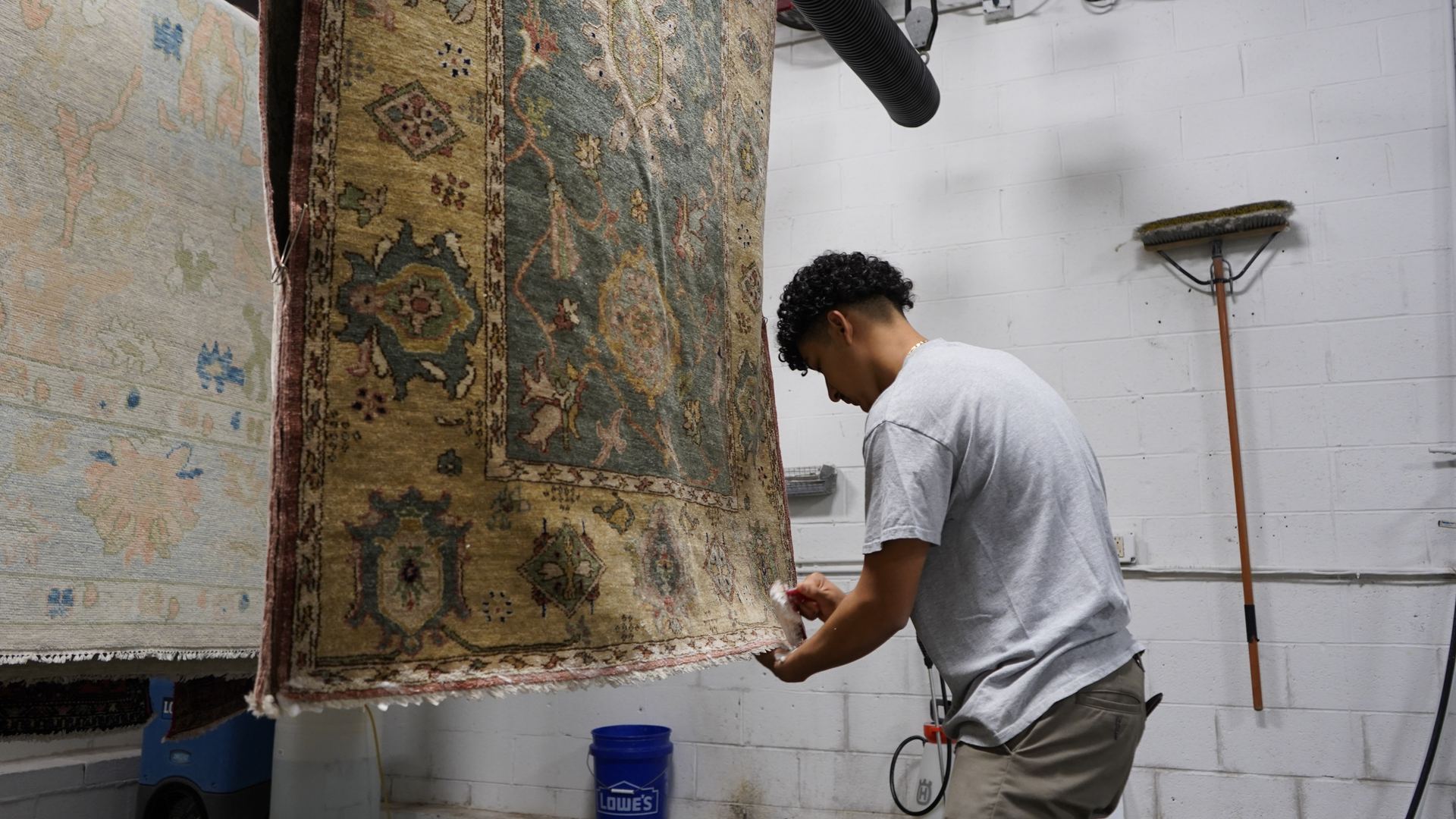
Every rug is inspected for fiber content, dye stability, and existing damage before cleaning starts.
A specialist doesn't treat viscose like any other rug. The work usually starts with a fiber and dye test. Next comes thorough dry soil removal, since grit does much of the damage. Cleaning uses controlled moisture and pH-balanced solutions, often finished with a mild acid rinse that helps prevent browning. The most important step is drying the rug quickly and evenly, then grooming the pile so the sheen lies flat.
You can see how each stage fits together on our rug cleaning process page. Honest expectations matter too. Fresh stains usually respond well. Browning that has set for months, or pile that was crushed by scrubbing, may improve without disappearing completely. A good cleaner will tell you that before starting, not after.
On cost, viscose sits in the specialty tier because it takes more time and care. Our Atlanta rug cleaning cost guide breaks down typical market ranges. For most viscose rugs, the price of a proper cleaning is small next to the price of replacing one.
The best cleaning is the one you don't need. A few habits go a long way with this fiber.
Store-bought pads rarely fit perfectly. A custom-cut rug pad sized to your rug protects the whole surface, edges included. It's an easy add-on when your rug comes in for cleaning.
Treat viscose like a delicate fabric. Vacuum gently, blot spills fast, use almost no water, and dry every damp spot quickly. Never steam, scrub, or soak it. When a stain, odor, or browning goes beyond simple first aid, let a specialist handle it before the damage sets.
S&S Rug Cleaners has cared for delicate rugs in Atlanta for more than 30 years. Rugs 8' x 10' and larger get free pickup and delivery across metro Atlanta, and drop-offs save 15%. Ready to start? Request a free quote or call (404) 355-2126.
Common questions about cleaning and caring for viscose rugs
Browning, stains, or a dull, matted pile? Tell us about your rug and we'll give you an honest quote, with free pickup and delivery on rugs 8' x 10' and larger in metro Atlanta.

How to clean a wool rug without shrinking or felting it: correct vacuuming, cool-water spot cleaning, mistakes to avoid, and when to book a professional wash.
Read MoreHow to clean a jute rug the right way: vacuum dry, blot spills fast, and never steam clean or wash natural fiber rugs. Plus sisal and seagrass care tips.
Read MoreLearn how to clean a silk rug safely: what to do after a spill, what destroys silk fibers, and when to call a pro. Expert silk rug care from S&S Rug Cleaners.
Read More