Benefits of Professional Rug Cleaners
Discover the top benefits of professional rug cleaning: deeper soil removal, allergen elimination, fiber protection, stain management, and extended rug life.
Read MoreFree Pickup & Delivery (8' x 10'+, Metro Atlanta) | 15% Off Drop-Off Service
Humidity, pollen, and seasonal weather can damage your rugs. Learn how to protect them.
Atlanta's climate plays a major role in how area rugs age, smell, and wear over time. High humidity, seasonal pollen, and frequent rain can trap moisture and contaminants deep inside rug fibers, leading to odors, discoloration, and premature damage if rugs are not properly cared for.
Understanding how Atlanta's environment affects your rugs can help you prevent problems and know when professional rug cleaning is necessary.
Metro Atlanta experiences average relative humidity levels between 65% and 90% throughout much of the year, with summer months bringing particularly muggy conditions. This moisture-rich air doesn't just affect how comfortable you feel—it directly impacts the fibers, dyes, and backing of your area rugs. Natural fiber rugs like wool, silk, and cotton are especially vulnerable because they absorb and retain moisture from the surrounding environment. Over time, this can lead to mold growth, fiber degradation, color bleeding, and persistent musty odors that are difficult to eliminate without professional intervention.

Natural fiber rugs—particularly wool, silk, cotton, and jute—are prized for their beauty, durability, and comfort underfoot. However, these organic materials are inherently hygroscopic, meaning they absorb moisture from the surrounding air. In Atlanta's humid subtropical climate, this characteristic becomes a significant concern. During summer months, when relative humidity regularly exceeds 80%, natural fiber rugs can absorb substantial amounts of moisture that penetrates deep into the pile and foundation layers.
Wool fibers are especially susceptible because of their structure. Each wool fiber contains tiny scales that open and close in response to moisture levels, allowing water vapor to enter and become trapped. While this property makes wool naturally temperature-regulating and comfortable, it also means wool rugs in humid environments never fully dry. This persistent dampness creates ideal conditions for mold spores to germinate, bacteria to multiply, and dust mites to thrive—all of which contribute to odors, allergies, and fiber degradation over time.
Silk rugs face additional risks. Humidity weakens silk's protein-based fibers, making them more brittle and prone to abrasion. Colors in hand-dyed silk rugs can also bleed or migrate when exposed to excess moisture, causing irreversible damage to intricate patterns. Cotton and jute rugs, often used as casual or outdoor-style pieces, absorb moisture readily and can develop mold in their backing materials within days if conditions are right.
The foundation of hand-knotted rugs—typically cotton warp and weft threads—is particularly vulnerable. When these structural elements absorb moisture, they can weaken, stretch, or rot, compromising the rug's integrity. Foundation damage is often invisible until it becomes severe, making prevention through humidity control and regular professional inspection essential for Atlanta homeowners with valuable natural fiber rugs.
Humidity is one of the biggest challenges for rugs in Atlanta homes. Moist air slows drying, traps odors, and can reactivate contaminants already inside the rug.
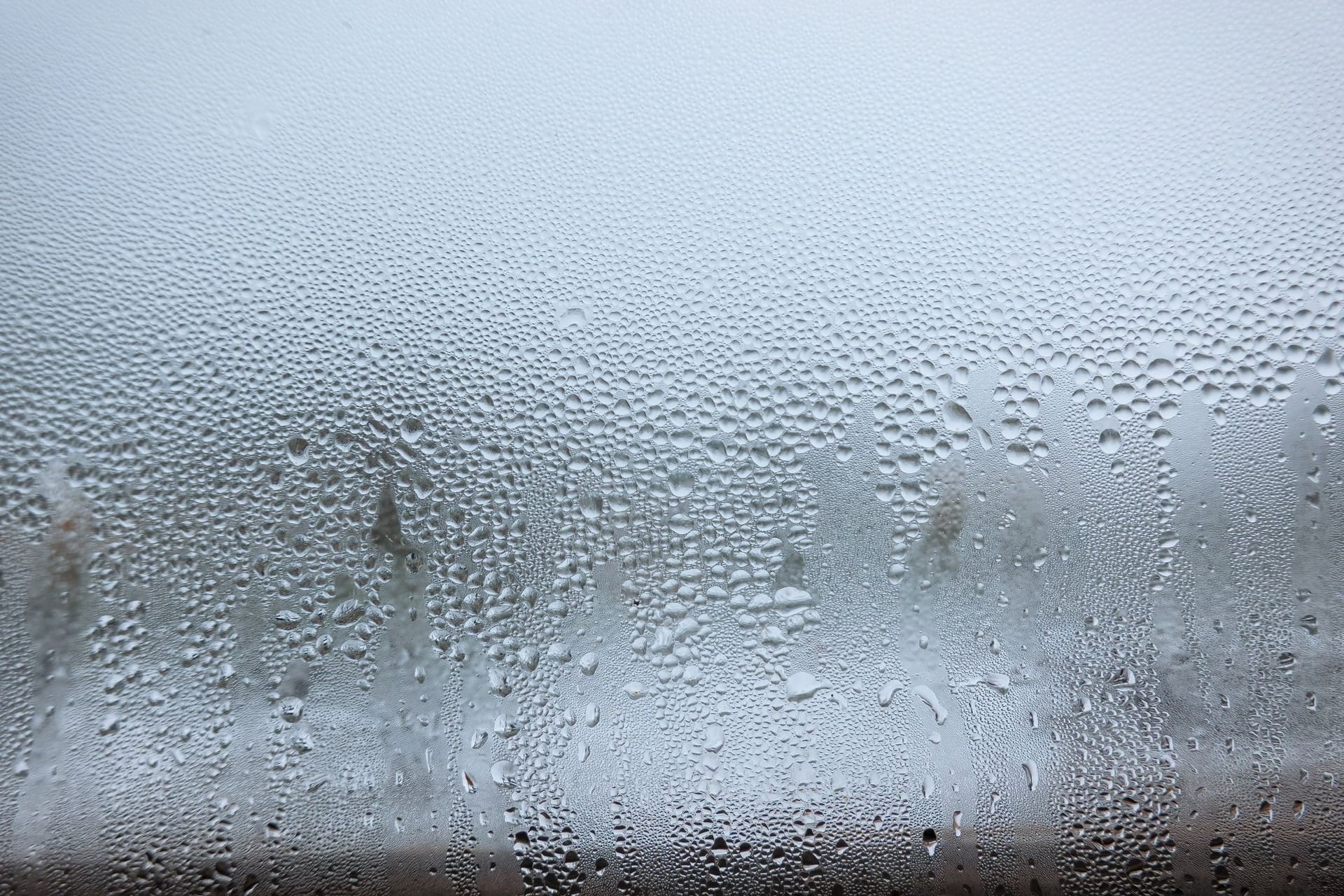
Even rugs that appear clean can hold moisture deep inside.
Humidity can activate odor-causing particles trapped in rug fibers and backing, even months after cleaning.
Rugs that remain damp too long can develop odor, stiffness, or fiber distortion.
Seasonal pollen settles into rugs and can contribute to allergies and dull appearance.
Moisture causes dirt particles to cling to fibers, accelerating wear.
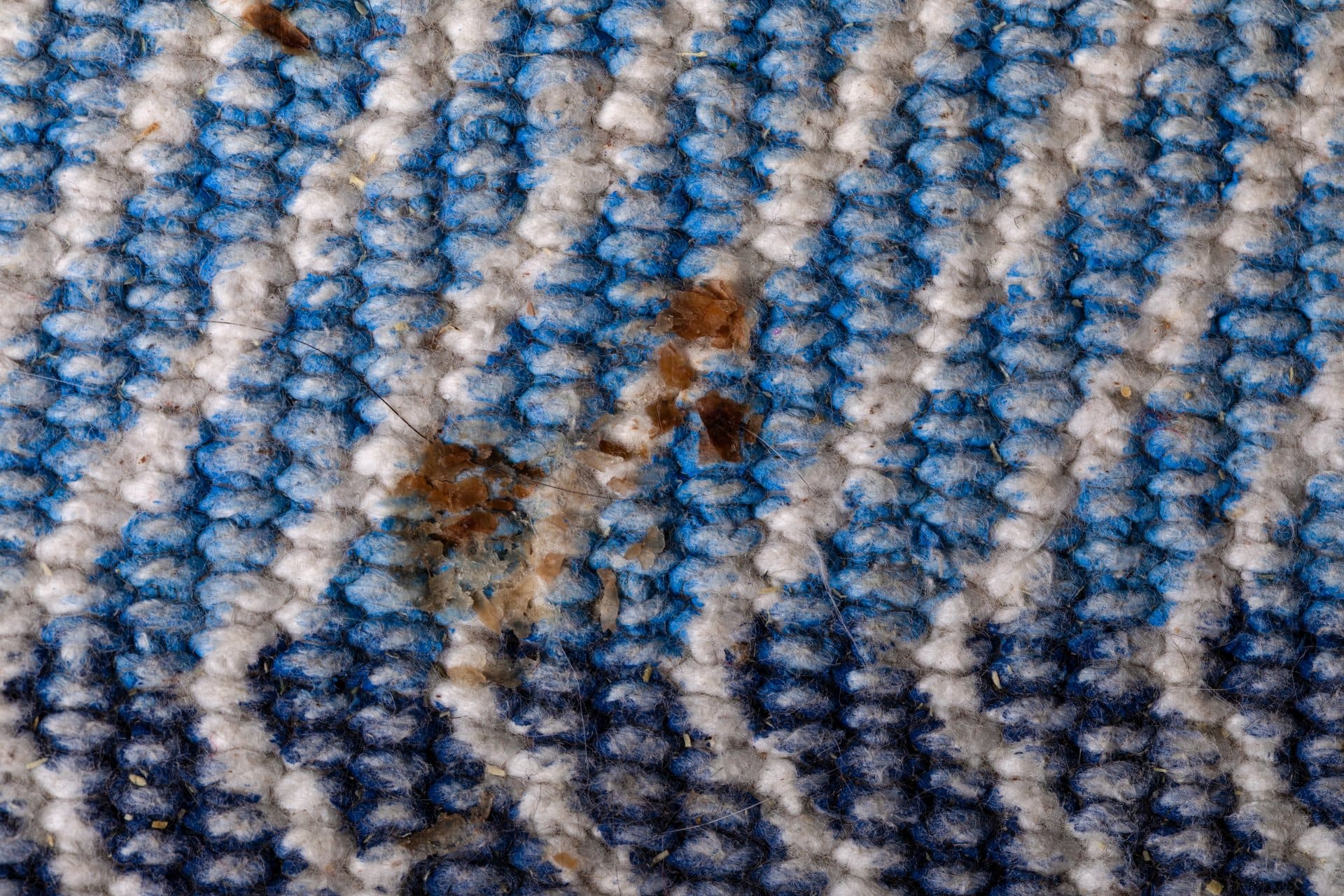
Humidity-related problems often start silently but become serious if left unaddressed.
One of the most common complaints from Atlanta rug owners is persistent musty odors that seem to return no matter how often they clean. These smells typically originate from mold, mildew, or bacteria growing within the rug's foundation where surface cleaning cannot reach. High humidity reactivates dormant odor sources—including old pet accident residues—causing smells that had seemingly disappeared to return during muggy weather. This cyclical odor pattern is a telltale sign that professional deep cleaning is needed.
Mold growth in rugs poses both aesthetic and health concerns. Visible mold appears as dark spots, discoloration, or fuzzy growth, but significant contamination can exist long before it becomes visible. Mold spores become airborne and circulate through your home's HVAC system, potentially triggering allergic reactions, respiratory issues, and aggravating asthma symptoms. For households with children, elderly family members, or immunocompromised individuals, mold-contaminated rugs present genuine health risks that should be addressed promptly.
Beyond odors and mold, excessive moisture accelerates general deterioration. Dyes can bleed or migrate, causing colors to run into adjacent areas. Fiber strength decreases, making rugs more susceptible to wear and abrasion. Backing materials—particularly natural rubber or jute—can decompose, leaving residue on your flooring and weakening the rug's structure.
Taking these preventive steps significantly reduces the risk of humidity damage and extends the life of your rugs in Atlanta's challenging climate.
You can reduce climate-related issues with proper care:
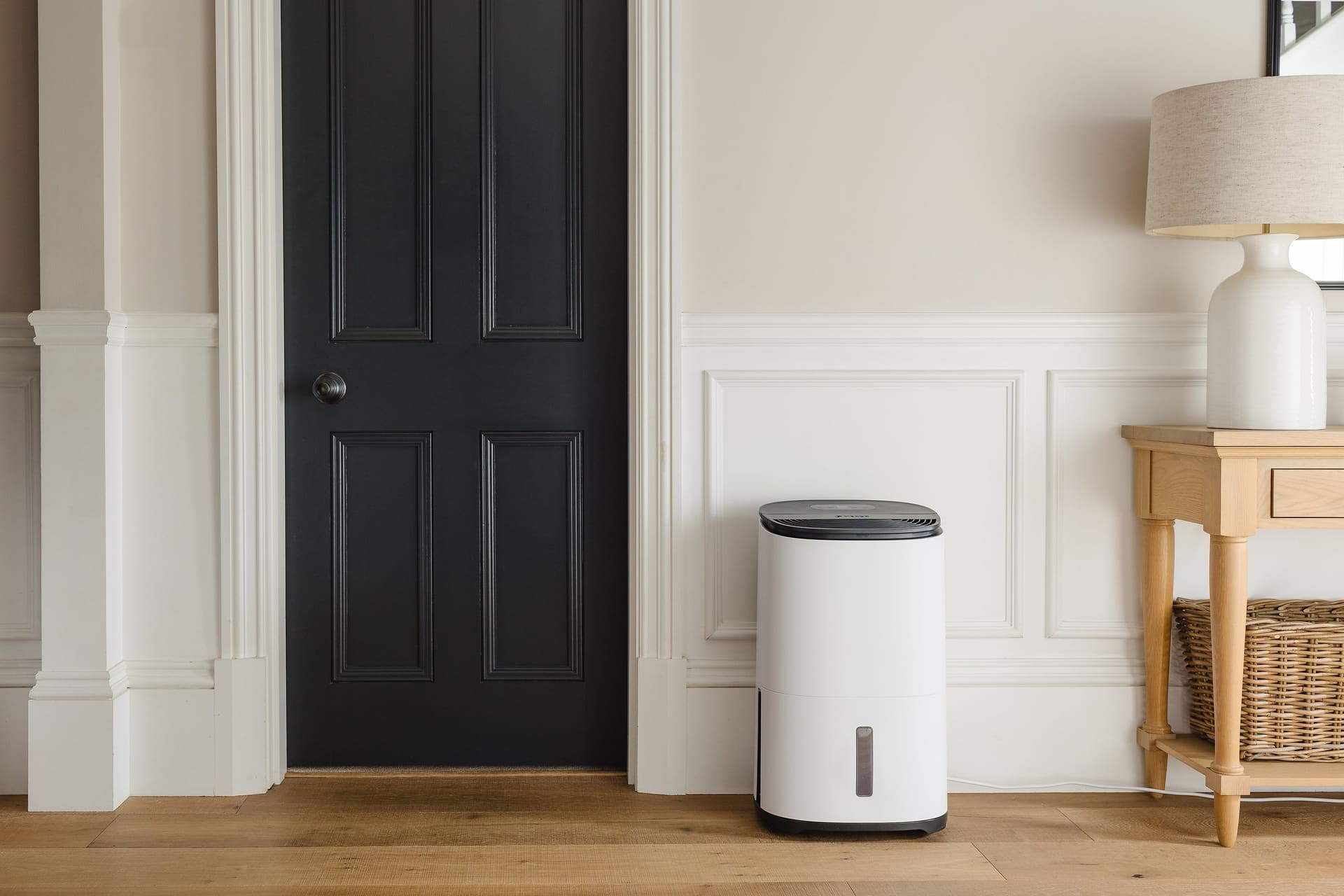
Proper drying is just as important as cleaning.
Professional rug cleaning is recommended when:
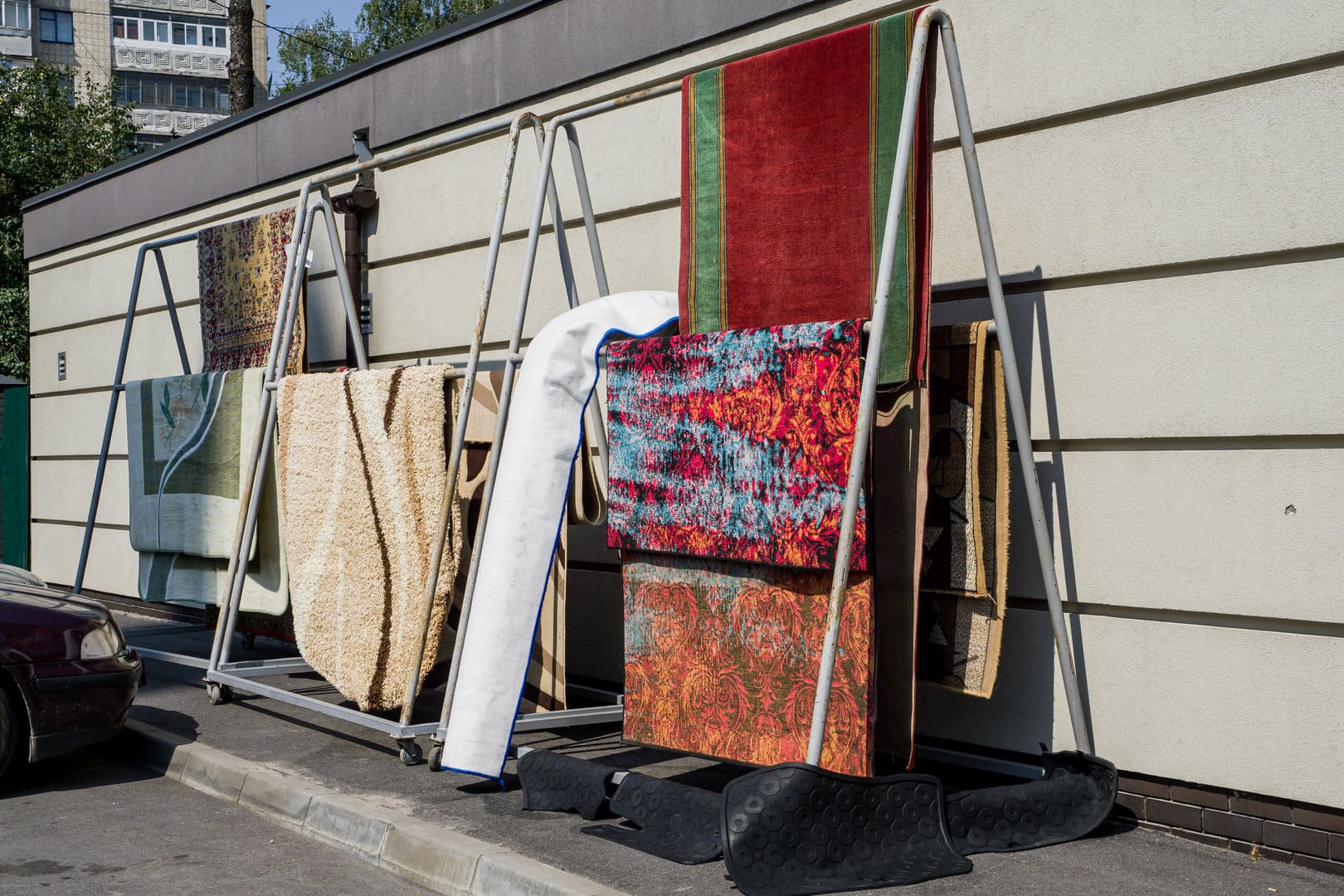
Professional equipment allows thorough rinsing and controlled drying that home methods cannot replicate. Learn more about caring for your rugs and review our daily rug care best practices.
Address pollen buildup with professional cleaning
Control humidity to prevent odors and mildew
Remove dirt before winter traffic increases
Avoid over-wetting rugs during indoor cleaning
Seasonal care helps prevent long-term damage.
Given Atlanta's humidity levels and the unique challenges our climate presents, most area rugs benefit from professional cleaning at least once per year. Rugs in high-traffic areas, homes with pets, households with allergy sufferers, or valuable antique pieces may need cleaning every six to nine months. The key is not to wait until problems are visible—by then, soil has bonded with fibers and odors have penetrated the foundation, making restoration more difficult and costly.
Spring and fall are ideal times for professional cleaning in Atlanta. After the humid summer months, a fall cleaning removes accumulated moisture and contaminants before rugs are used more heavily during cooler weather. A spring cleaning addresses pollen accumulation, winter soil buildup, and refreshes rugs before the demanding summer humidity returns. Scheduling cleaning during these transitional seasons also allows for faster drying times and reduces the risk of moisture-related issues.
Between professional cleanings, maintain your rugs with regular vacuuming, prompt spill response, humidity control, and periodic rotation to ensure even wear. These home maintenance practices extend the benefits of professional cleaning and help your rugs look better for longer in Atlanta's challenging environment.
Common questions about climate-related rug care in Atlanta
If humidity, odors, or slow drying are affecting your rugs, professional rug cleaning can help prevent damage and restore freshness.

Discover the top benefits of professional rug cleaning: deeper soil removal, allergen elimination, fiber protection, stain management, and extended rug life.
Read MoreDiscover 5 expert tips to keep your area rugs clean and well maintained — from vacuuming and spills to rug pads and professional cleaning.
Read MoreMusty smell in your area rug? Learn what causes mildew odor, a step-by-step fix that works at home, and when an Atlanta rug needs a professional wash.
Read More